Good food. Steadier energy.
You don’t need a cupboard full of superfoods. Start with familiar ingredients, satisfying combinations, and a little room for flexibility.
A balanced plate, not a perfect one
Heart-healthy eating emphasizes vegetables, fruit, whole grains, and lean proteins while limiting saturated and trans fats. This is a pattern you can adapt—not a rule that every meal must look the same. [1]
Start with plants
Add a generous helping of vegetables to lunch or dinner. Frozen greens, canned beans, and seasonal fruit are practical choices; nutritious food does not have to be elaborate or expensive.
Add a protein food
Choose what fits your preferences: tofu, fish, eggs, beans, or plain yogurt. Pair it with vegetables and a whole-grain or other carbohydrate food rather than treating carbohydrates as the enemy.
Make room for fiber and unsaturated fats
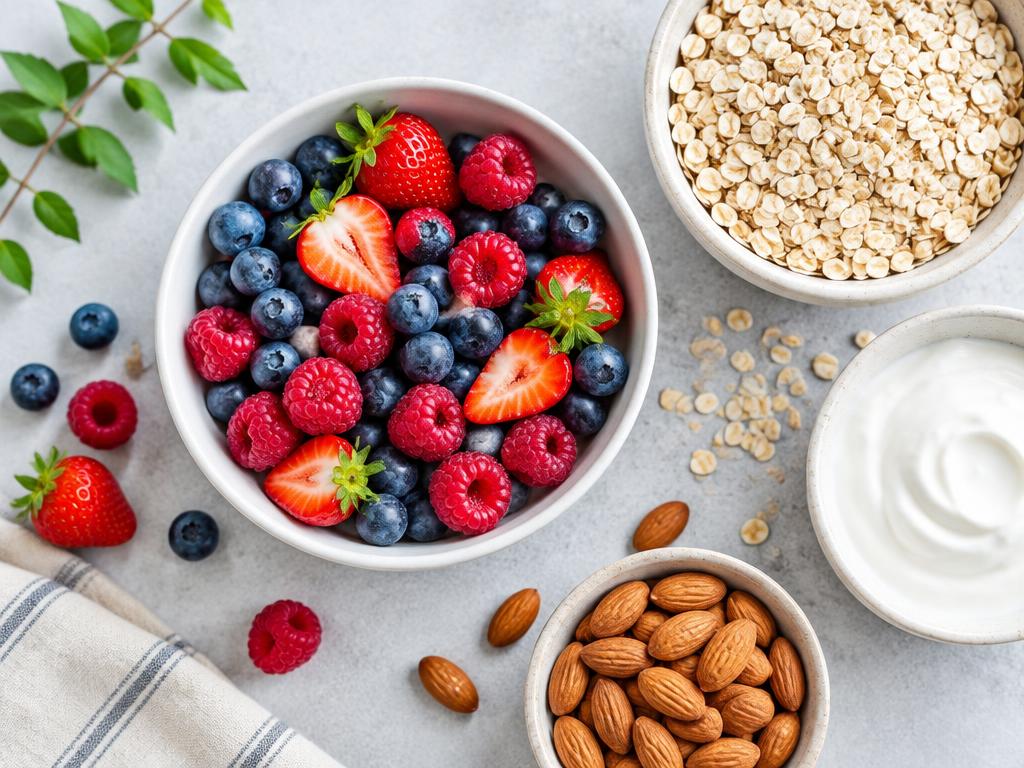
Oats, lentils, berries, nuts, and seeds can add variety. Swap some saturated-fat sources for olive oil or nuts. Introduce extra fiber gradually if you are not used to it.
Three simple meal ideas
- Breakfast: oats with plain yogurt, berries, and chopped nuts.
- Lunch: lentil soup, whole-grain toast, and a side of vegetables.
- Dinner: salmon or tofu, roasted vegetables, and quinoa.
These ideas are not personalized meal plans. Portions, carbohydrate needs, allergies, and kidney or other medical conditions may call for adaptations.
Are there foods that increase metabolism?
A “metabolic boosting” label can distract from the bigger picture. Do not expect a particular tea, spice, or powder to produce lasting weight loss. Build a routine that is nourishing, enjoyable, and sustainable.
When food advice needs to be personal
If you have prediabetes, metabolic syndrome, or take glucose-lowering medication, ask a qualified dietitian or clinician about a suitable approach. Major dietary changes or fasting should not be based on social-media advice.
For education, not diagnosis. Our content is not medical advice or a substitute for care from your qualified health professional. No clinician review or hands-on product testing is claimed.